Are You Diversified?
I used to enjoy Jim Cramer’s “Am I Diversified?” segments because they raised a question every investor should ask: Do I truly have a diversified financial foundation? It is easy to believe you are diversified because you own several different stocks, but if those companies are all in similar industries—such as food, beverages, snack foods, or retail—they may be affected by many of the same economic pressures.
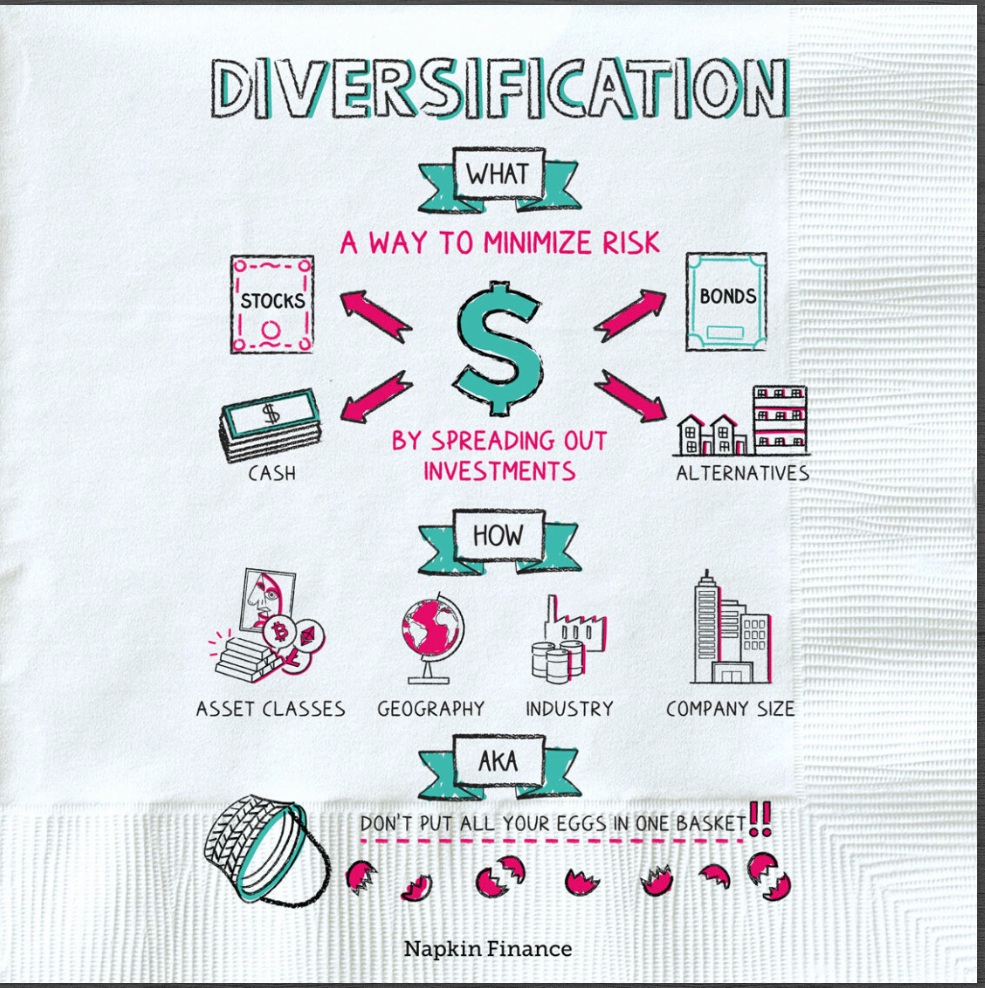
True diversification is about spreading risk across different types of assets, industries, and sources of income. A mix might include traditional investments, real estate, a business or franchise, cash reserves, insurance-based strategies, and, for some people, carefully considered alternative assets such as precious metals or digital assets. The goal is not to eliminate risk—nothing can do that—but to avoid having your entire financial future depend on one market, one industry, or one source of income.
Many people rely heavily on workplace retirement accounts or stock portfolios because those are the options most often presented to them. But it is worth stepping back and asking: What do I own? What risks are concentrated in one place? What important pieces might be missing?
I am not fond of financial industries that push only their own product while dismissing every other option as “too risky.” Every asset class carries its own risks, benefits, costs, and place in a broader strategy. Since the beginning of time, people have valued land and gold because, bottom line, God is not making any more dirt.
That is why I believe investment real estate deserves a place in many long-term wealth conversations. Many high-net-worth individuals use real estate as part of their wealth-building strategy, and real estate can offer potential tax advantages depending on the property, ownership structure, and an individual’s circumstances. The important questions are not whether real estate is right for everyone, but what percentage of your overall strategy it should represent, what type of property may fit your goals, and how it works alongside your other assets.
I am a licensed real estate broker and life insurance broker, but I will be the first to say: do not put all your eggs in one basket. Let’s look at what you already have, identify areas that may be overly concentrated or missing, and help point you in the right direction—or redirect what you are already doing—so you can have more informed conversations with your qualified advisors.
You do not have to begin with a large amount of money. Starting with one dollar is still a start—because tomorrow will be here before you know it.
This article is for educational purposes only and is not individualized investment, tax, or legal advice. I am not a Certified Financial Planner (CFP) or a Certified Public Accountant (CPA). All investments involve risk, and diversification does not guarantee a profit or protect against loss. Please consult qualified financial, tax, and legal professionals before making decisions based on your individual circumstances.